Navigating Cancer Care: The Essential Guide to Treatment Options and Patient Support
Cancer is often seen as an insurmountable challenge—a diagnosis that can inevitably alter the course of one's life. Yet within this journey lies the potential for empowerment and resilience, especially when patients understand the diverse cancer treatment modalities available to them. As the landscape of cancer care evolves, informed patients emerge as their most effective advocates. So, how do we navigate the depths of oncology information? What resources can facilitate our journey through this life-altering experience? Let's dive deep into the realm of cancer treatment options, support systems, and the transformative power they hold for patients.
From chemotherapy to immunotherapy, the spectrum of cancer treatment options is vast and ever-changing. Recent oncology news and cancer research updates reveal innovative therapies that can enhance survivorship and reduce symptomatology. The growing prevalence of personalized medicine has enabled healthcare providers to craft tailored treatment plans, often based on a patient’s unique genetic makeup. This specificity creates a more focused attack on the cancer cells while minimizing the collateral damage to surrounding healthy tissues. But what drives these advancements in cancer care? A unified commitment to understanding that every patient's diagnosis is as unique as their Myers-Briggs personality type.
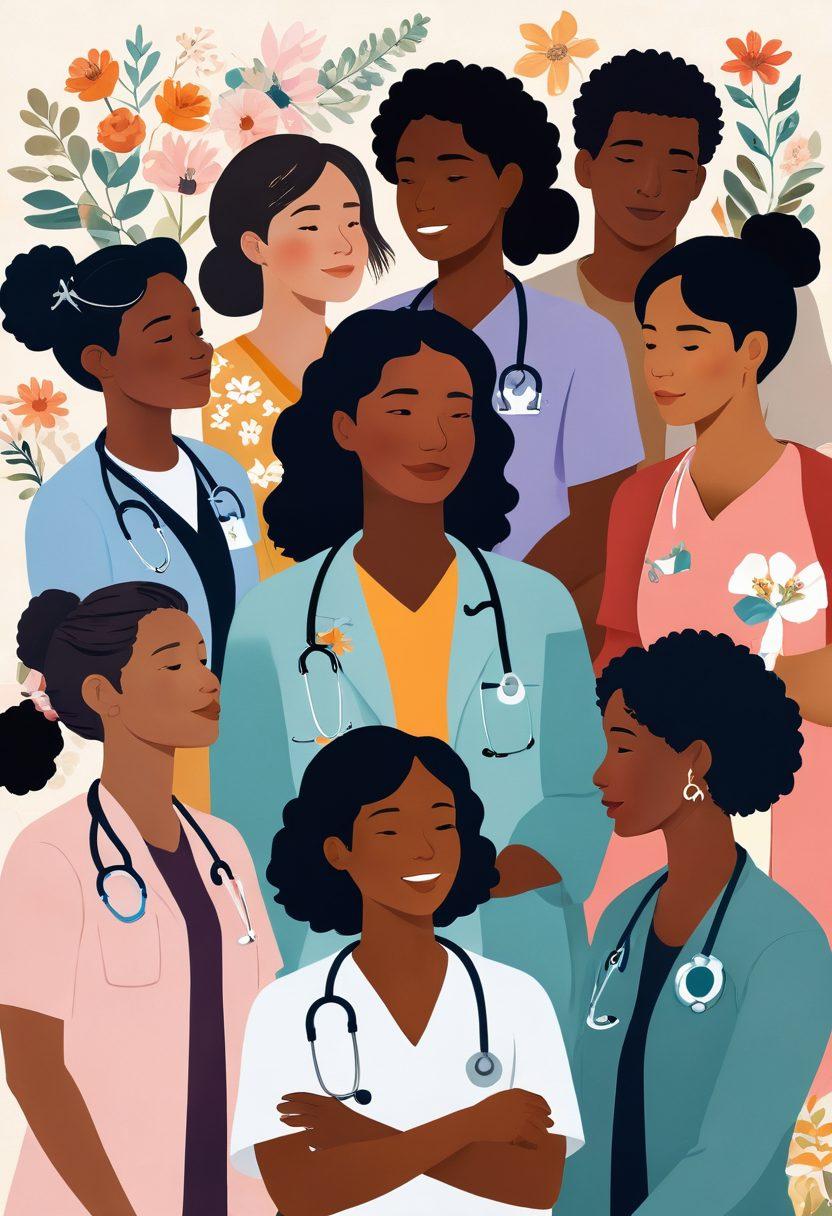
In addition to medical advancements, the psychosocial support network surrounding cancer patients plays a pivotal role in their treatment journey. Support groups and community resources provide crucial patient resources for sharing experiences and coping strategies. How often do we underestimate the power of shared stories? A simple conversation can inspire hope and strengthen resolve within a community facing seemingly insurmountable odds. Organizations focusing on cancer awareness campaigns and health information strive to amplify these voices, reminding patients that they are never alone in their struggles. Each narrative, each experience, is a brick in the foundation of collective strength.
One of the most significant aspects of patient support is the focus on mental health throughout treatment. The journey through cancer care can be mentally taxing and emotionally draining. It’s essential that patients prioritize not just their physical health, but their mental wellness as well. Integrating alternative therapies, such as mindfulness practices or art therapy, can serve as remarkable adjuncts to traditional treatment modalities. This holistic approach to treatment emphasizes the importance of lifestyle changes and wellbeing alongside medical interventions. Are we doing enough to address the mental health needs of cancer patients? How can we better support those affected by this profound life experience?
Ultimately, navigating cancer care transcends understanding treatment options; it's about fostering a sense of community and empowerment. Patients rallying together, sharing resources, participating in clinical trials, and affecting change in healthcare systems through advocacy represent the strength in unity. The path to recovery may be bumpy, but with the right support structures in place, patients can explore innovative treatment options and build resilience. Together, we can transform cancer narratives from tales of despair into stories of hope, survival, and triumph. After all, when patients understand their options and have the resources they need, they become not just survivors, but empowered warriors in their fight against cancer.
Support Beyond Diagnosis: Building a Strong Network in Cancer Care
Receiving a cancer diagnosis can feel like a thunderbolt striking from a clear blue sky. It’s a moment that can leave anyone reeling, confronting a whirlwind of emotions and uncertainties. However, within the storm, there exists the potential for empowerment through the connections we build. Support beyond diagnosis is not just a concept—it's a lifeline in navigating cancer care. So, how can we cultivate a robust support network that enhances our journey and enriches the experience of cancer treatment?
As you traverse this challenging path, consider the diverse array of patient support available. Support groups, for instance, can be incredibly beneficial. They offer a space where stories are shared, tears are shed, and laughter is embraced. Members often bond over common struggles, finding solace in shared experiences that resonate with their own. Have you ever heard someone say, 'Sometimes, just knowing you are not alone makes all the difference'? It's true! Whether through healthcare blogs that provide oncology information or community resources tailored for cancer survivors, each connection cultivates strength and fosters resilience.
We must also recognize the role of comprehensive healthcare in offering the best cancer treatment options. From traditional treatment modalities like chemotherapy and radiation to promising clinical trials and alternative therapies, understanding all avenues of care is vital. Informing oneself about the latest oncology news and cancer research updates can empower patients and their families, allowing them to make informed decisions about their health. Additionally, actively participating in cancer awareness campaigns fosters a sense of belonging and purpose, helping others while advocating for better resources and support within the community.
Mental health support is an often-overlooked aspect of cancer care. The emotional toll of diagnosis and treatment can weigh heavily on many patients. Have you considered how your Myers-Briggs personality type influences your coping mechanisms? Discussing feelings with a professional or joining a psychosocial support group can lead to significant improvements in emotional well-being. Remember, symptom management is about more than just physical health; it encompasses our mental and spiritual wellness too, ensuring a more holistic approach to survivorship and health.
Lastly, let’s talk about lifestyle changes. Embracing healthier habits can bolster the body’s defenses and contribute to a sense of control in an unpredictable situation. Simple adjustments—like incorporating nourishing foods and engaging in regular exercise—can yield powerful benefits. Leaning on patient resources and connecting with others striving for wellness can motivate individuals towards healthier living. So let’s ask ourselves: in the face of uncertainty, how can we not only seek support but also be support for one another on this cancer journey? The answer lies in community, empathy, and shared experiences.
From Research to Recovery: Key Insights into Effective Patient Resources and Support
In the journey of navigating cancer care, understanding the plethora of available resources can seem daunting. With ever-evolving oncology news and the rapid pace of cancer research updates, it's crucial for patients and their families to grasp the effective treatment options and patient support they can access. As we delve into the realm of patient resources, think about this: How equipped do you feel to tackle the complexities of cancer care? From the moment of diagnosis to survivorship, knowledge is a fundamental ally.
Imagine receiving a diagnosis that alters your world. Suddenly, the clinical jargon, treatment modalities, and the wave of emotions can feel overwhelming. Yet, amid the chaos, there lies hope. Engaging with cancer awareness campaigns can illuminate your path, offering insights into symptom management and lifestyle changes that promote health and wellness. Remember, 'Knowledge is power'—the more you know, the better decisions you can make about your treatment options and support system.
Access to quality healthcare information, including details about support groups, alternative therapies, and community resources, can transform a challenging journey into one filled with possibility. Where can you find trustworthy oncology information? Healthcare blogs often serve as a beacon of hope, sharing personal stories and evidence-based strategies. Connecting with fellow patients in support groups not only provides emotional support but can also empower you with actionable insights drawn from lived experiences.
Have you ever considered how your Myers-Briggs personality type may influence your approach to treatment? Understanding yourself can enhance your journey, shaping how you engage with mental health resources and psycho-social support systems. For instance, extroverts may thrive in group settings while introverts find solace in one-on-one interactions. Tailoring your support network to fit your individual needs may lead to better coping strategies and overall wellness.
The beauty of the cancer journey is that it's not one-size-fits-all. Participating in clinical trials may present new cancer treatment options that are on the cutting edge of medical research, giving you access to innovations that can lead to better outcomes. Remember, while cancer is a formidable foe, you are not alone. Lean into the available patient resources, seek out trusted information, and build a support network that resonates with you. After all, every step in this journey is a step towards recovery and healing.